Designing an AI Tool for Cost Estimation
CostLabs.ai is an AI-powered dashboard that connects directly to technical documents, instantly extracting volumes and generating a Bill of Quantities (RAB). It empowers Estimators, Quantity Surveyors, and Contractors to ditch manual spreadsheets, allowing them to focus on strategic pricing and winning tenders.
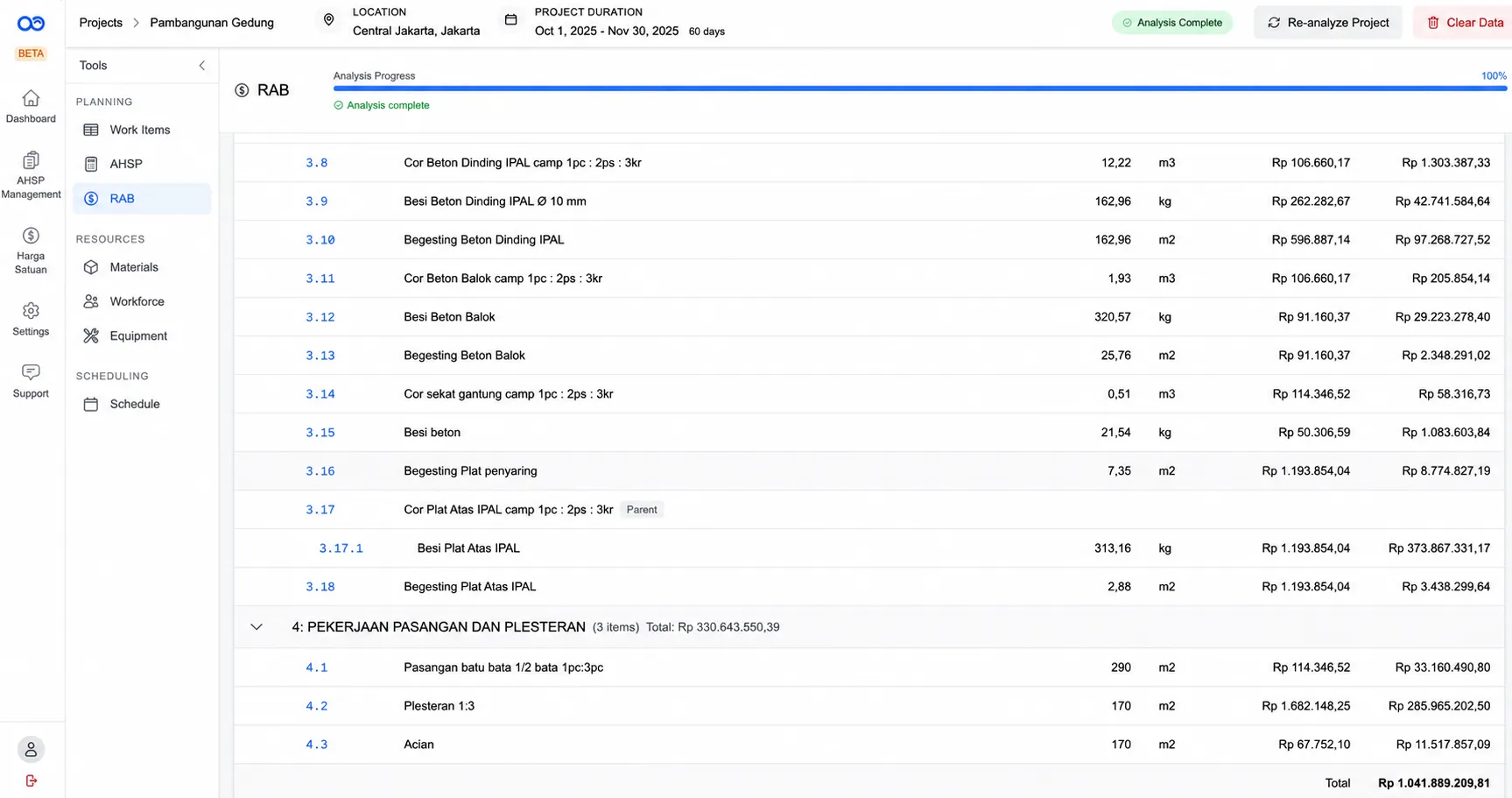
Figure 1: High-fidelity visual mockup showcasing the designed interface.
Role: Product & UI/UX Designer
Timeline: 1-Week Rapid Design Sprint
Tools: Pen & Paper, AI UI Generators (v0.dev), Prototyping
The Challenge: The Spreadsheet Bottleneck
Creating a construction budget (RAB) is mentally draining. Estimators and Quantity Surveyors spend days manually extracting data from 2D working drawings into thousands of Excel rows. This traditional process has major flaws:
- Cognitive Overload: Visual fatigue from manually checking numbers leads to human errors.
- Time Inefficiency: Contractors often lose tender opportunities because the calculation process is too slow.
- Lack of Traceability: It is hard to track back (audit trail) exactly where a volume number came from in the drawing.
The Solution: CostLabs.ai
CostLabs.ai is designed as a single source of truth that instantly automates the volume extraction (take-off) process from technical documents. By taking over repetitive manual calculations, this system drastically reduces human error and secures financial data accuracy, finishing the budgeting process in minutes instead of days.
How It Works (The Workflow)
- Upload & Scan: Users upload technical documents (PDF/CAD). The system uses elegant skeleton loading to give visual feedback that the AI is extracting and processing complex data, which helps build trust.
- The Split-View Review: The screen is split in two: the left side previews the original document, and the right side shows the interactive budget table. This table includes an AI Confidence Level indicator, allowing users to visually verify data without switching apps.
- Frictionless Editing: The interface supports direct manipulation. Users can click any cell in the table to do a quick manual override, then export the final result with a single click.
Behind the Scenes: A Rapid, AI-Driven Validation
Since this is a B2B SaaS product with a high risk of solving the wrong problem, I cut out the traditional wireframing process to speed up the MVP’s time-to-market. Instead of designing the interface from scratch, the workflow was:
-
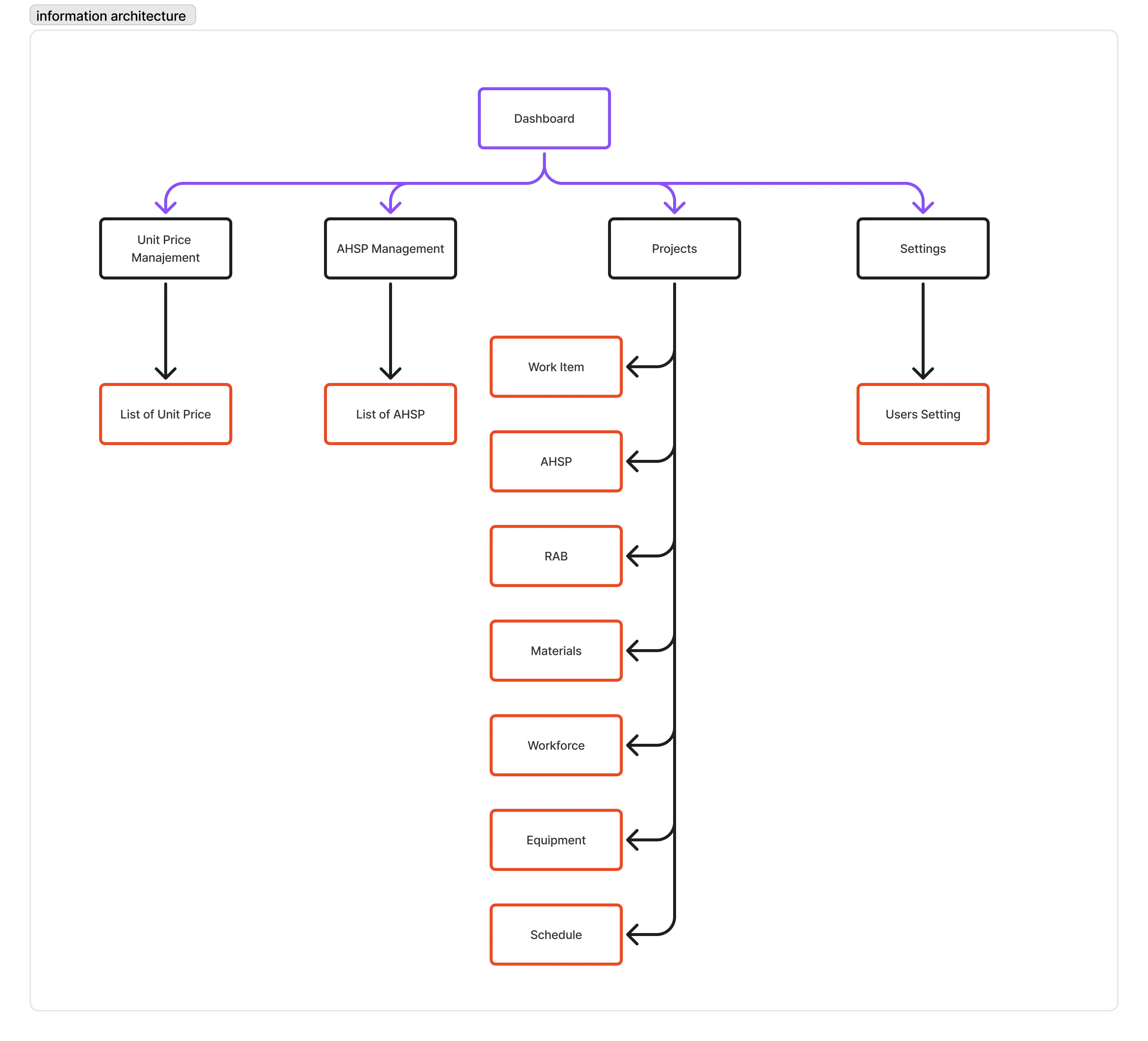
Lo-Fi Logic (Pen & Paper): Solving the information architecture and budget data logic purely with hand sketches for fast iteration.
-
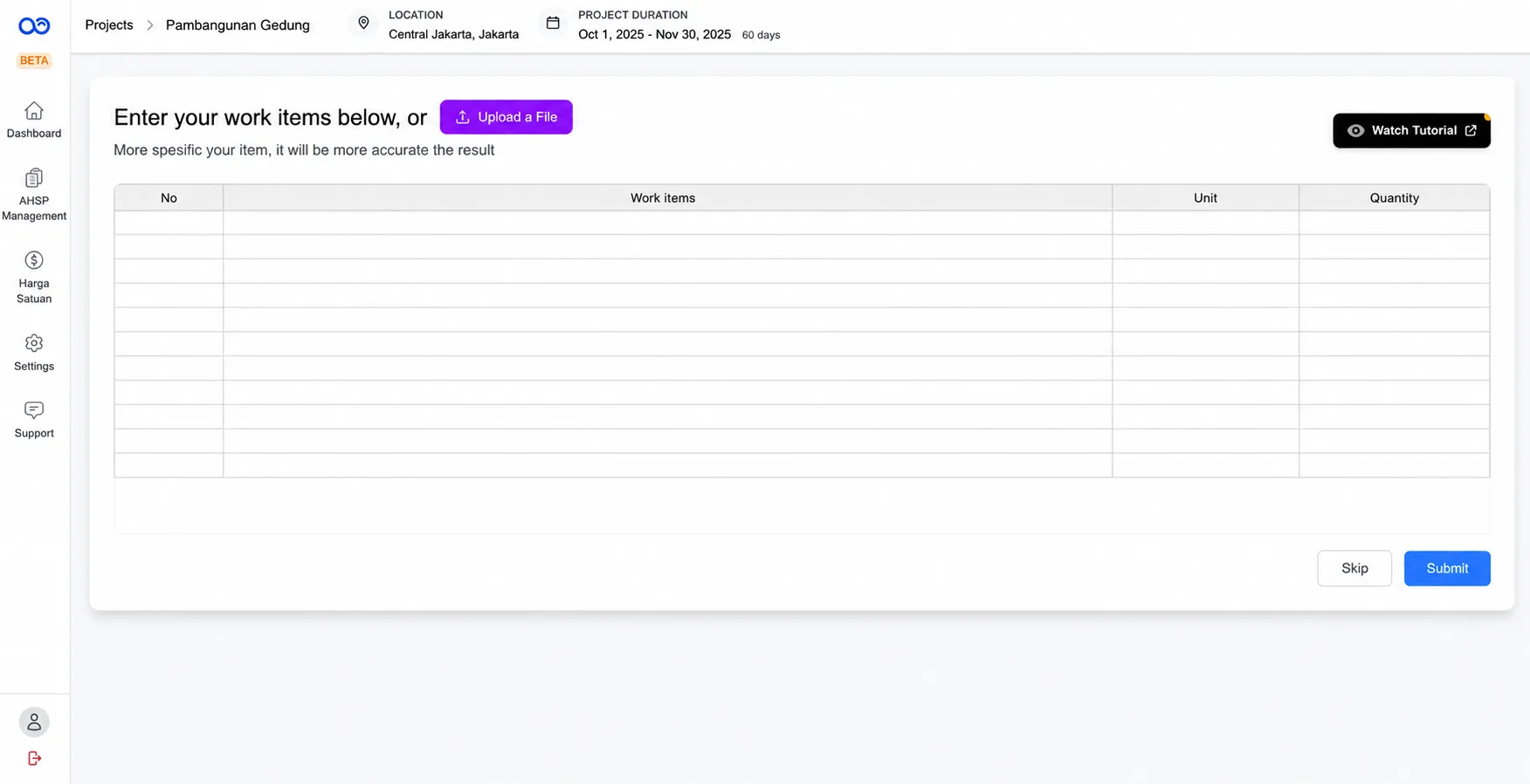
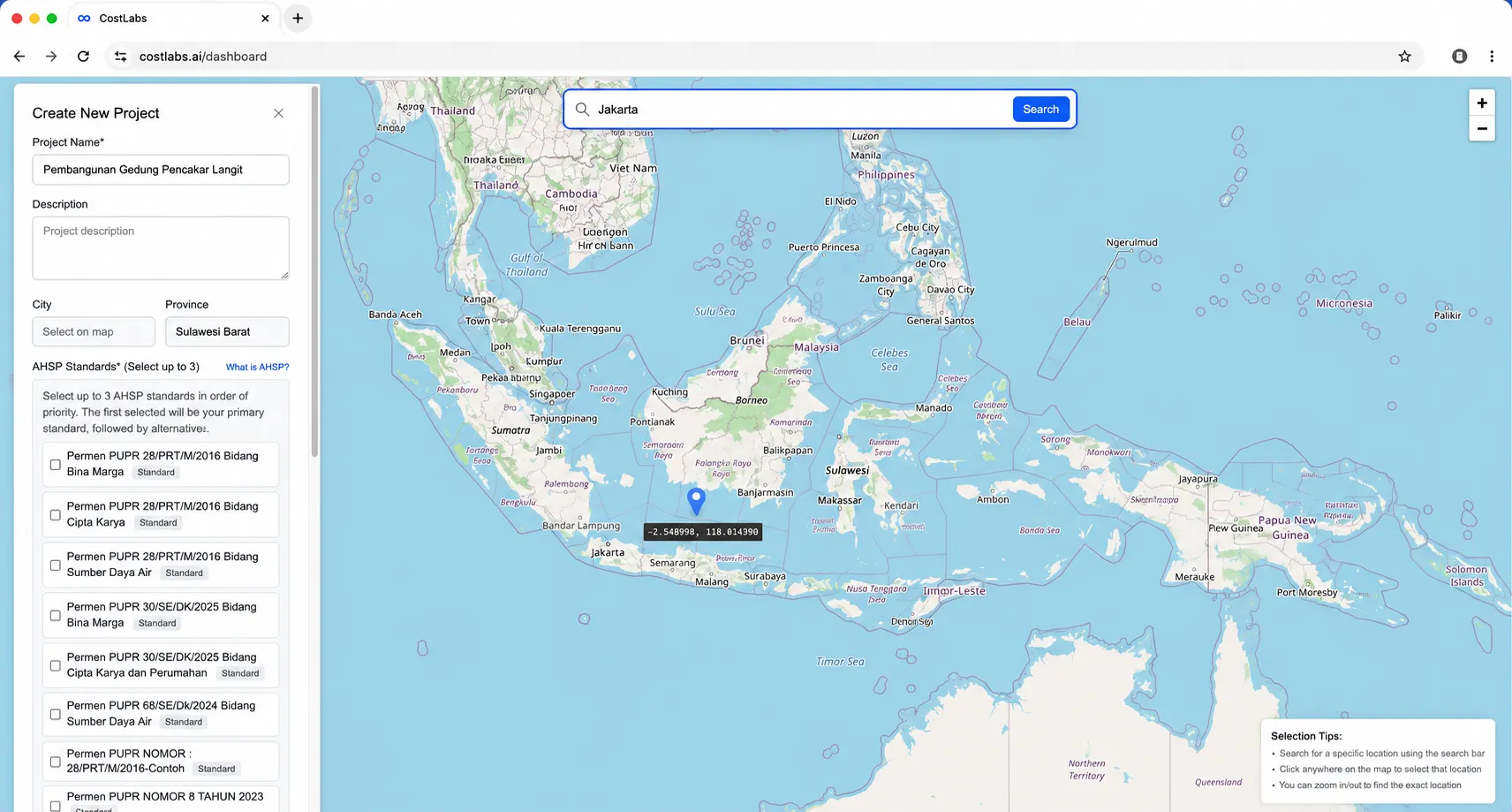
Prompting AI Generators: Feeding spatial instructions into AI tools (like v0.dev) to generate functional layouts instantly, allowing me to focus entirely on the data structure and workflow.
-
Prototyping & Testing: Connecting the AI-generated screens into a click-through prototype for immediate testing with field Quantity Surveyors.
Outcomes & Next Steps
This AI-Driven Sprint approach drastically cut down design time. It proved that in early SaaS development, focusing on solving functional problems is much more valuable than manually pushing pixels. Users appreciated the clean layout that prevents eye strain and provided strong validation for CostLabs.ai’s core concept.
Next Iteration: Building an interactive Visual Audit Trail—where clicking a budget table cell will automatically highlight the relevant part on the architectural document in the left panel.
Test of the Reach: Validating Market Demand
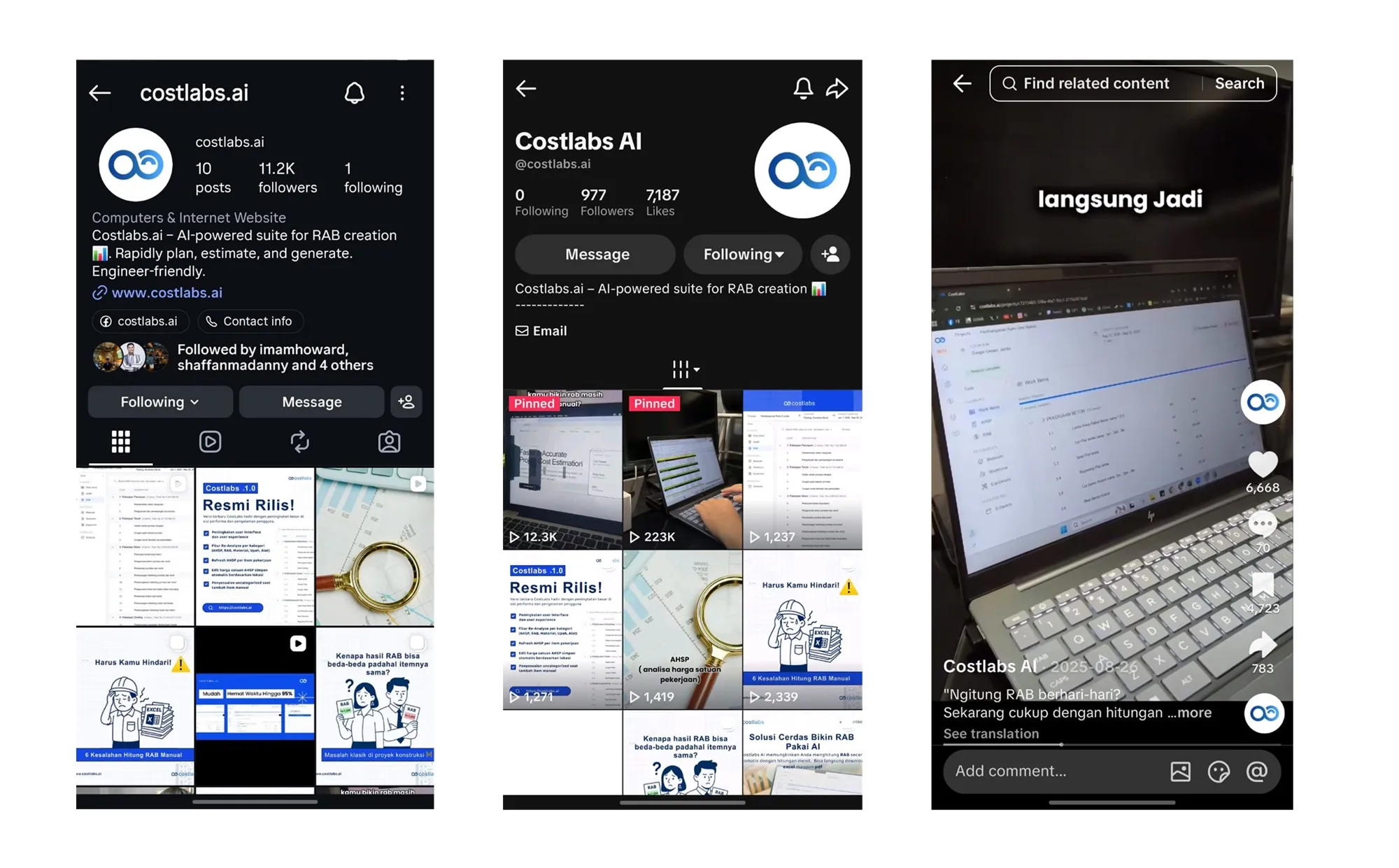
To validate the problem-solution fit beyond formal usability testing, we shared early concepts and workflows of CostLabs.ai on social media platforms like TikTok and Instagram Reels.
The response was overwhelmingly positive. The content generated significant organic engagement, gathering high views and likes from industry professionals who immediately resonated with the “spreadsheet bottleneck” pain point. This viral traction provided strong early indicators of a high market demand for the product.